
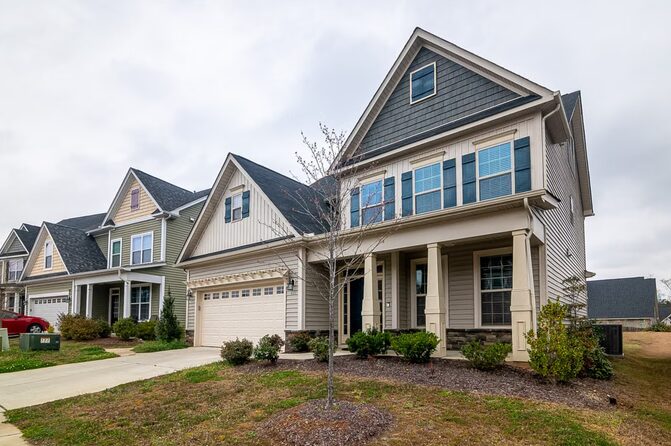
Choosing between a prefabricated house and a traditional home is one of the biggest decisions many buyers face. While both options offer unique advantages, the real question is which one provides better long-term value. Years ago, traditional homes were often considered the obvious choice because of their reputation for durability and resale value. Today, however, modern prefabricated houses have changed the conversation. Thanks to advances in construction technology, energy efficiency, and design, they are becoming serious competitors in the housing market. Understanding how these two types of homes compare can help buyers make a smarter investment for the future.
Why Prefabricated Homes Are Gaining Attention
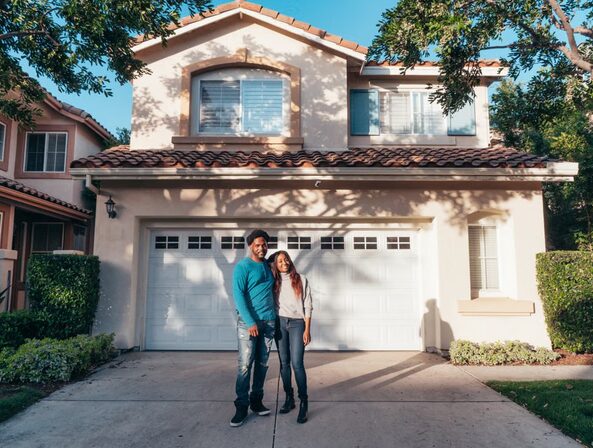
Interest in prefabricated housing has grown steadily as construction methods continue to improve. Reports from NN.de highlight how industry experts expect prefabricated houses to become even more popular in the coming years because of their efficiency, affordability, and modern construction standards. As more buyers recognize these advantages, prefabricated homes are becoming an attractive alternative to conventional houses for those seeking long-term value.
Construction Costs and Overall Affordability
One of the biggest differences between prefabricated and traditional homes is the initial cost. Prefabricated houses are often more affordable because many of their components are manufactured in factories where production is carefully controlled. This streamlined process reduces labor costs, minimizes material waste, and shortens construction timelines. Traditional homes usually require more on-site labor and can experience delays caused by weather or supply chain issues. These factors may increase the total construction cost. For buyers working within a specific budget, a prefabricated home may provide better financial value from the beginning.
Durability and Lifespan
 Many people still believe traditional homes are stronger simply because they are built on site. In reality, modern prefabricated houses are constructed to meet strict building regulations and are designed to last for decades. Factory-controlled manufacturing allows builders to produce structural components with consistent precision and quality. Traditional homes can also last for many generations when properly maintained. In both cases, the quality of materials, professional construction, and regular maintenance play a much greater role in determining lifespan than the building method itself.
Energy Efficiency to Save Money
Long-term value is not determined only by the purchase price. Operating costs also have a significant impact over the life of a home. Many prefabricated houses are designed with advanced insulation, energy-efficient windows, and airtight construction techniques that help reduce heating and cooling expenses. Traditional homes can certainly be energy efficient as well, especially newer builds or renovated properties. However, many older homes require upgrades to achieve the same level of efficiency found in modern prefabricated construction. Lower monthly utility bills can make a noticeable difference over many years of homeownership.
Maintenance Requirements Over Time
Every home requires regular maintenance, but the amount of work can vary depending on construction quality and materials. Prefabricated homes often use modern building materials that are selected for durability and low maintenance. Factory precision also reduces the likelihood of certain construction defects. Traditional homes may require more frequent repairs if they contain aging systems or older materials. Regardless of the construction method, homeowners who perform routine inspections and address repairs promptly will help preserve both the condition and value of their property.
Resale Value and Buyer Demand
Resale value remains an important consideration for anyone purchasing a home. Traditional houses have historically enjoyed strong resale demand because they have been the standard choice for many years. However, buyer attitudes toward prefabricated homes have changed considerably. As more people recognize the quality, attractive designs, and energy efficiency of modern prefab homes, demand continues to increase. In desirable neighborhoods with strong housing markets, a well-maintained prefabricated home can hold its value and appeal to a wide range of buyers.
Which Home Is the Better Investment?
The answer depends largely on individual priorities. Buyers looking for lower construction costs, faster completion, and energy savings may find prefabricated houses to be the better long-term investment. Those who value highly customized architecture or prefer traditional construction methods may still choose conventional homes. Rather than focusing only on the type of construction, buyers should also consider location, neighborhood quality, maintenance costs, and future market trends. These factors often have a greater influence on long-term property value than whether a home was built in a factory or on site.
Both prefabricated houses and traditional homes offer excellent opportunities for long-term value when built with quality materials and maintained properly. Prefabricated homes continue to close the gap by offering affordability, energy efficiency, and reliable construction, while traditional homes remain a trusted option with a long history of strong resale performance. The best choice ultimately depends on your budget, lifestyle, and long-term goals.