
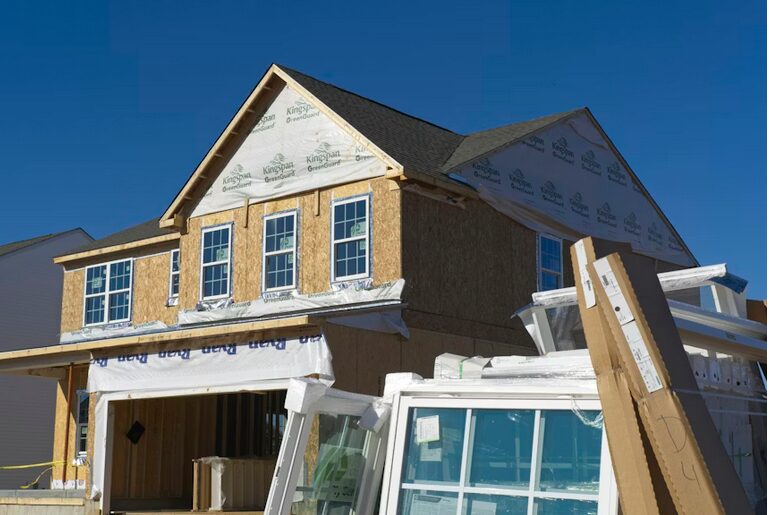
Embodied Energy vs Operational Energy in New Home Developments
Energy efficiency discussions in residential construction often focus on how a home performs after completion. Heating, cooling, lighting, appliances, and even the design of each electrical service all contribute to long-term consumption. This is known as operational energy. Yet another form of energy is embedded long before occupants move in. Embodied energy refers to the total energy required to extract, manufacture, transport, and install building materials. In new home developments, understanding the difference between embodied and operational energy is becoming essential. Builders, developers, and buyers are beginning to recognize that sustainability extends beyond monthly utility bills. It starts at the foundation stage.
Defining Embodied Energy
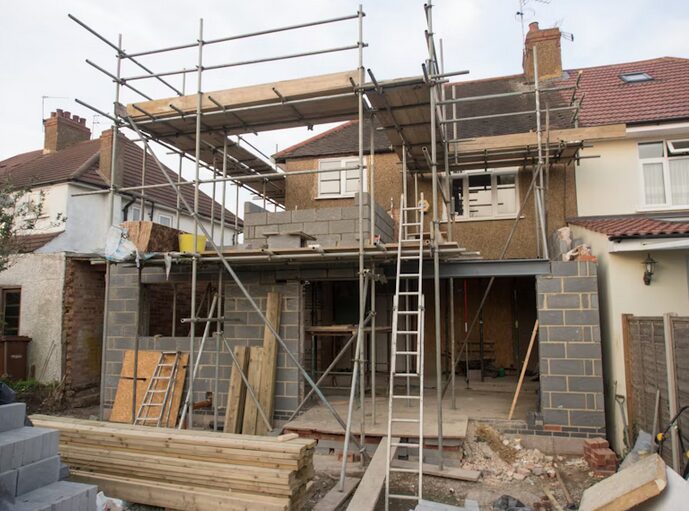
Embodied energy represents the invisible footprint of construction. Every brick, timber beam, steel frame, and concrete slab carries an energy cost. Raw materials must be mined or harvested. Factories process them. Trucks transport them to site. Equipment assembles them. Concrete, for example, requires significant heat during production. Steel demands intensive industrial processes. Even insulation materials involve manufacturing and packaging stages. These inputs accumulate. Unlike operational energy, embodied energy is locked in once construction is complete. It cannot be reduced retroactively. Decisions made during design and material selection determine this footprint permanently. This concept shifts attention to early planning stages. Sustainable outcomes begin long before keys are handed over.
Understanding Operational Energy
Operational energy refers to the energy consumed during a home’s lifespan. Heating and cooling systems, hot water, appliances, and lighting drive ongoing demand. Insulation levels, glazing performance, and airtightness influence these requirements. Energy-efficient homes aim to minimize operational consumption. High-performance windows, improved orientation, and advanced mechanical systems reduce dependence on external energy sources. Operational energy accumulates over decades. Even small efficiency improvements can produce meaningful savings over time. This long-term perspective has shaped modern building codes and star rating systems.
Striking a Practical Balance
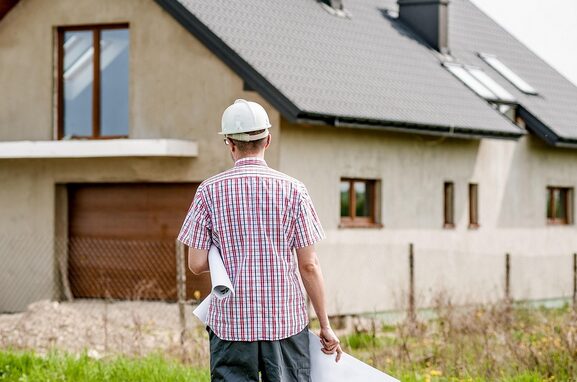
Embodied and operational energy should not compete. They represent two dimensions of the same challenge. Sustainable development integrates both. Design efficiency offers practical solutions. Smaller homes require fewer materials and less ongoing energy. Smart orientation reduces reliance on mechanical systems without additional embodied burden. Material innovation also supports balance. Engineered timber products, recycled steel, and low-carbon concrete options reduce embodied impact while maintaining structural integrity. Education plays a role. Builders, architects, and buyers must understand trade-offs. Informed collaboration leads to better outcomes.
Balancing the Trade-Off Between Materials and Efficiency
New developments often aim for higher performance standards. Thicker insulation, triple glazing, and advanced framing systems improve thermal outcomes. Yet these enhancements can increase embodied energy. For instance, producing additional insulation requires resources and manufacturing energy. Installing more complex glazing systems demands extra materials and transport. Builders must weigh these inputs against operational savings. The balance is not always straightforward. A material with higher embodied energy may dramatically reduce long-term consumption. In such cases, lifecycle analysis helps clarify value.
Assessing Lifecycle in Modern Developments
Lifecycle assessment evaluates the total environmental impact from construction through demolition. It considers embodied energy, operational consumption, maintenance, and eventual disposal. In new home developments, this broader view supports better decision-making. A slightly higher embodied energy at the outset may be justified if operational savings outweigh initial impact within a reasonable timeframe. Durability also matters. Materials that last longer reduce replacement cycles. Fewer renovations mean fewer additional embodied inputs.
Knowing Developer Responsibilities and Market Expectations
Developers face financial and regulatory pressures. Buyers prioritize comfort and running costs. Governments enforce minimum performance standards. Within this environment, embodied energy can receive less attention than operational metrics. However, awareness is growing. Environmentally conscious buyers are asking deeper questions. They want transparency about material sourcing and long-term sustainability. Developers who communicate both embodied and operational considerations build trust. Transparency demonstrates responsibility. It also differentiates projects in competitive markets. Cost remains a factor. Lower embodied energy materials may carry higher upfront prices. Balancing budget constraints with environmental goals requires careful planning.
Embodied energy and operational energy represent two sides of sustainability in new home developments. One occurs before occupancy. The other unfolds over decades of use. Both influence environmental impact. Focusing …



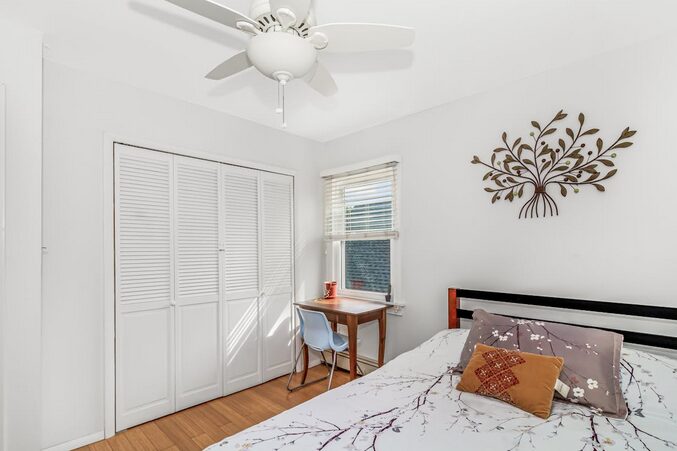

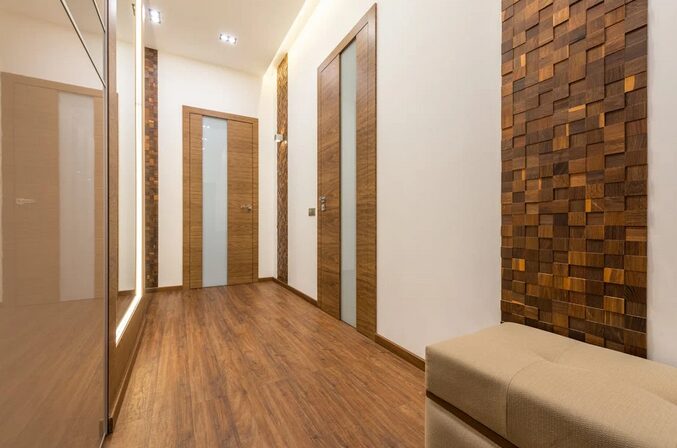

 One of the most significant benefits of soundproofing is its positive impact on sleep quality. Noise from traffic, neighbours, or even household appliances can disturb your sleep, leading to fatigue, irritability, and health issues over time. Soundproofing your bedroom allows you to create a sanctuary of silence that promotes deeper, uninterrupted sleep.
 Constant noise exposure can lead to increased stress levels, anxiety, and even health problems such as high blood pressure. Soundproofing your







 As mentioned, indoor plants can be a great way to help detoxify the air in your home. Plants absorb toxins from the air through their leaves, roots, and stems, which helps reduce indoor levels of pollutants like formaldehyde and benzene. Many houseplants are also natural humidifiers, meaning they give off the moisture that helps keep the humidity in your home at a comfortable level. The best part is that you don’t have to be an expert gardener to cultivate a thriving mini garden indoors.

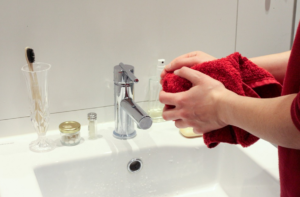 If you notice that your skin is scaly, dry, or itchy, this could be a sign that your water is too hard. The high levels of minerals in hard water might strip away natural oils in your skin, to it feeling irritated and dry. If you have sensitive skin, you might also experience redness or rashes. If you notice any of these changes in your skin, it is essential to see a doctor to rule out other possible causes.
 Another way to tell if you have hard water is by looking at your appliances. Over time, the minerals in hard water can build up in your pipes and cause them to clog. This can lead to decreased water pressure and reduced efficiency. You might also notice that your clothes are not as clean as they used to be or that your dishes have a cloudy film.
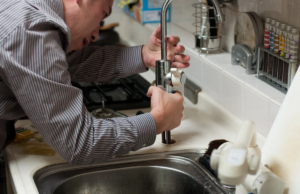 Hard water can also cause problems with your plumbing. The minerals in hard water can build up in your pipes and clog. This can cause decreased water pressure and reduced efficiency. You might also notice that your clothes are not as clean as they used to be or that your dishes have a cloudy film.
 Trees can be beautiful additions to any property, but they also come with a certain responsibility. It’s important to inspect the trees on your property regularly and remove any dead or dying branches. This will help keep your trees healthy and prevent them from posing a danger to your home or other structures on your property. There are cases where trees are near homes, and their branches fall and damage the property. You need to cut it by hiring tree removal services to prevent this. It is known that
  The last important part of property maintenance is keeping the grass trimmed. This may seem like a simple task, but it’s very important. Long grass can attract pests, it can harbor diseases, and can create fire hazards. By keeping your grass short, you can help keep your property safe and healthy. You can purchase a lawnmower to do the job yourself, or you can hire a professional lawn care service. This is how many people choose to handle their lawn care needs.
 Vacuum carpets/rugs at least once a week. This helps keep dirt and dust from spreading into the air, where it can potentially trigger allergies or respiratory problems. Vacuuming also prevents pet hair, which serves as an allergen itself (for some people), from building up on your floors over time.
 Wipe down all surfaces in the kitchen and bathrooms, including faucets and shower rods. After you clean your bathroom sinks, make sure to put a fresh towel out for each member of your family. These can be reused after they’ve been used to dry hands or faces off: throw them into the washer.
 Another great benefit of repairing your rim at home is the amount of time you will save. When you take your car to a mechanic, not only do you have to wait for them to repair it, but you also have to leave your car with them while they work on it.
 When you repair rims at home, not only do you save money and time, but you also free up some emotional energy as well. If, for whatever reason, something goes wrong with the rim that is repaired – like if it happens to be dented – you won’t have to deal with the headache of finding another mechanic. Repairing it yourself will save you from having to repair your car’s rim at yet another location and wasting more time and money in the process.
 When handling your HVAC
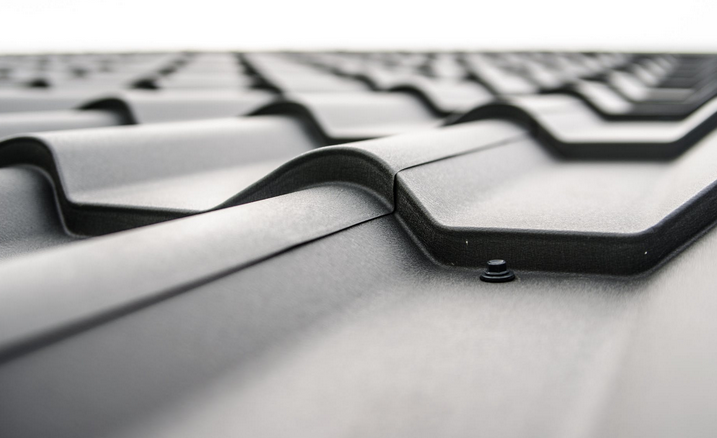
 Advice and consultations are worth a lot of money in the business world because a person’s expertise is the most valuable asset they have. So why would you not want to take advantage of that? Don’t just hire a contractor because they can fix your roof or gutters, ask them for advice as well. They probably know what is happening in the market and with other homeowners/businesses – information like this could be invaluable if used correctly!
 PVC is very durable. This material is lightweight, flexible, and strong, making it ideal for colder climates during so many snowfalls. Besides, PVC gutters are water-resistant and can be used in place of rusty gutters. Standing water can cause metal gutters to rust, which can cause holes to form. These holes can cause damage to homes and even flooding.
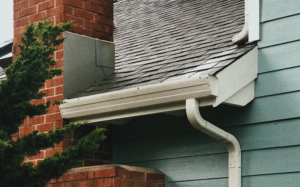 PVC gutters have the advantage of being flexible because they are loose, unlike metal gutters. Also, PVC does not flex as quickly as its metal counterpart. Metal gutters can bend, twist and dent easily. The effects of any of these events will be visible in the gutters. However, with PVC gutters, homeowners can prevent the damage. The color and appearance of the gutters are easy to maintain because they do not fade.

 A large flat-screen TV, at least 42 inches, will be your focal point. You can also place a couple of additional 19-inch flat-screen TVs against the walls for multiple viewing options. Place sofas and armchairs strategically so that you and your guests have at least one view of the television. You can also use side tables and end tables for guests to place their drinks and snacks. Also, add team spirit to your event by choosing chairs with your favorite team’s logo and mascot.
 The most critical aspect of choosing an office space comes is the location. The nature of your work influences it. If you need to focus on your work and not be disturbed at all, you may want to set up your office in your bedroom. You can be flexible in your working hours by receiving clients, looking after your children, or using your living room or dining room to welcome guests.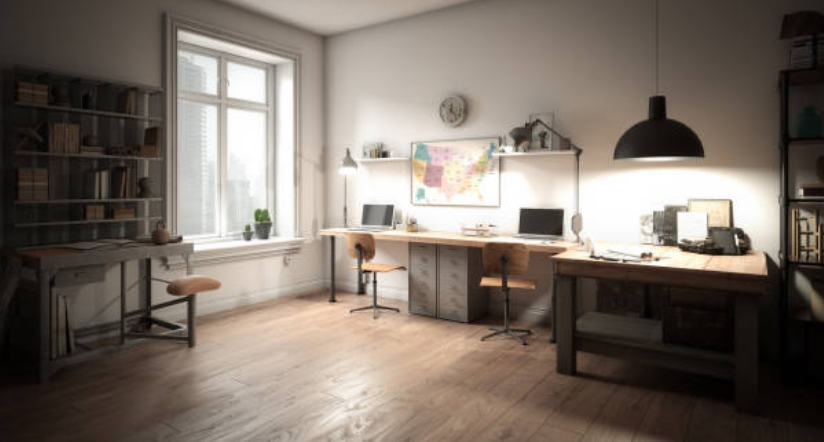

 There is an assortment of things to estimate when purchasing a fantastic roofer to fit your qualifications. One of the primary thoughtfulness is value. As you would like to stay within a specific budget for roof
  You might also want to inquire those entrepreneurs if they have coverage and ask for evidence. You do not wish to be responsible for injuries that may result when these roofers start operating on your assumptions. Make sure they have overall accountability along with workers comp.