
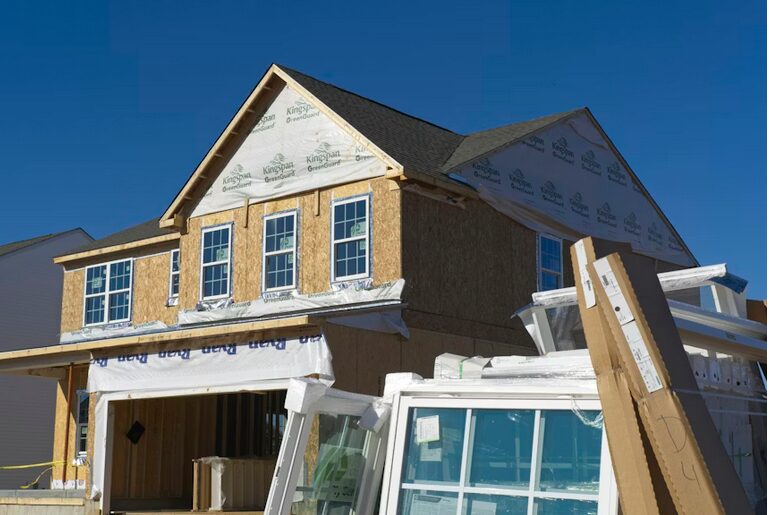
Energy efficiency discussions in residential construction often focus on how a home performs after completion. Heating, cooling, lighting, appliances, and even the design of each electrical service all contribute to long-term consumption. This is known as operational energy. Yet another form of energy is embedded long before occupants move in. Embodied energy refers to the total energy required to extract, manufacture, transport, and install building materials. In new home developments, understanding the difference between embodied and operational energy is becoming essential. Builders, developers, and buyers are beginning to recognize that sustainability extends beyond monthly utility bills. It starts at the foundation stage.
Defining Embodied Energy
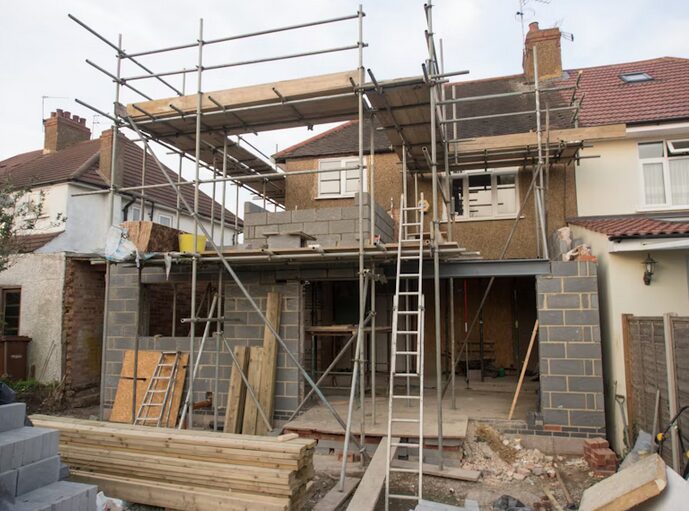
Embodied energy represents the invisible footprint of construction. Every brick, timber beam, steel frame, and concrete slab carries an energy cost. Raw materials must be mined or harvested. Factories process them. Trucks transport them to site. Equipment assembles them. Concrete, for example, requires significant heat during production. Steel demands intensive industrial processes. Even insulation materials involve manufacturing and packaging stages. These inputs accumulate. Unlike operational energy, embodied energy is locked in once construction is complete. It cannot be reduced retroactively. Decisions made during design and material selection determine this footprint permanently. This concept shifts attention to early planning stages. Sustainable outcomes begin long before keys are handed over.
Understanding Operational Energy
Operational energy refers to the energy consumed during a home’s lifespan. Heating and cooling systems, hot water, appliances, and lighting drive ongoing demand. Insulation levels, glazing performance, and airtightness influence these requirements. Energy-efficient homes aim to minimize operational consumption. High-performance windows, improved orientation, and advanced mechanical systems reduce dependence on external energy sources. Operational energy accumulates over decades. Even small efficiency improvements can produce meaningful savings over time. This long-term perspective has shaped modern building codes and star rating systems.
Striking a Practical Balance
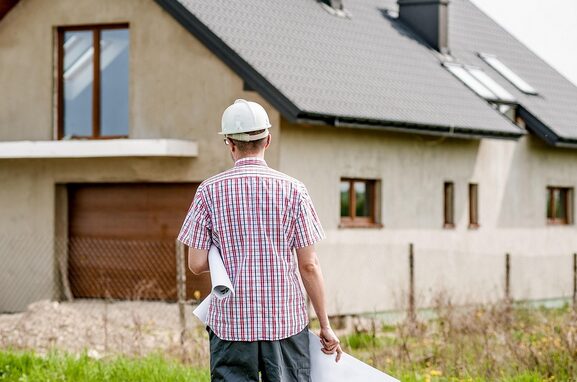
Embodied and operational energy should not compete. They represent two dimensions of the same challenge. Sustainable development integrates both. Design efficiency offers practical solutions. Smaller homes require fewer materials and less ongoing energy. Smart orientation reduces reliance on mechanical systems without additional embodied burden. Material innovation also supports balance. Engineered timber products, recycled steel, and low-carbon concrete options reduce embodied impact while maintaining structural integrity. Education plays a role. Builders, architects, and buyers must understand trade-offs. Informed collaboration leads to better outcomes.
Balancing the Trade-Off Between Materials and Efficiency
New developments often aim for higher performance standards. Thicker insulation, triple glazing, and advanced framing systems improve thermal outcomes. Yet these enhancements can increase embodied energy. For instance, producing additional insulation requires resources and manufacturing energy. Installing more complex glazing systems demands extra materials and transport. Builders must weigh these inputs against operational savings. The balance is not always straightforward. A material with higher embodied energy may dramatically reduce long-term consumption. In such cases, lifecycle analysis helps clarify value.
Assessing Lifecycle in Modern Developments

Lifecycle assessment evaluates the total environmental impact from construction through demolition. It considers embodied energy, operational consumption, maintenance, and eventual disposal. In new home developments, this broader view supports better decision-making. A slightly higher embodied energy at the outset may be justified if operational savings outweigh initial impact within a reasonable timeframe. Durability also matters. Materials that last longer reduce replacement cycles. Fewer renovations mean fewer additional embodied inputs.
Knowing Developer Responsibilities and Market Expectations
Developers face financial and regulatory pressures. Buyers prioritize comfort and running costs. Governments enforce minimum performance standards. Within this environment, embodied energy can receive less attention than operational metrics. However, awareness is growing. Environmentally conscious buyers are asking deeper questions. They want transparency about material sourcing and long-term sustainability. Developers who communicate both embodied and operational considerations build trust. Transparency demonstrates responsibility. It also differentiates projects in competitive markets. Cost remains a factor. Lower embodied energy materials may carry higher upfront prices. Balancing budget constraints with environmental goals requires careful planning.
Embodied energy and operational energy represent two sides of sustainability in new home developments. One occurs before occupancy. The other unfolds over decades of use. Both influence environmental impact. Focusing exclusively on operational efficiency risks overlooking significant construction-related emissions. Ignoring operational performance undermines long-term savings and comfort. True sustainability requires a balanced perspective. Through lifecycle assessment, strategic material selection, and thoughtful design, developers can align these priorities. Homes built today shape environmental outcomes for generations. Recognizing the interplay between embodied and operational energy ensures that progress extends beyond surface-level performance claims.