

Building a home together is one of those milestones that can be both thrilling and, let’s be honest, a little testy. Two people, one dream home, and countless decisions—what could go wrong? In 2025, couples venturing into construction projects face unique challenges and opportunities. From budget planning to design compromises, the process demands clear communication and a bit of humor to keep the stress at bay. Many find it helpful to use links such as https://www.fuersie.de/lifestyle/hausbau-zu-zweit-wie-paare-krisen-meistern-und-traeume-verwirklichen-18775.html because they offer a platform where couples get firsthand stories of others’ building journeys—both the triumphs and the “we should’ve talked about that sooner” moments. Below are tips to consider when building a house as a couple.
Budgeting and Financial Harmony

Money conversations are rarely romantic, but they’re essential when building a house together. Couples should sit down and map out their total budget, factoring in construction costs, permits, furnishings, and the inevitable surprises along the way. Transparency here is non-negotiable—whether one partner is a saver and the other a spender, aligning financial priorities early helps prevent tension later. By agreeing on spending limits and identifying areas to splurge or save, couples can turn budgeting into teamwork rather than a tug-of-war.
Division of Responsibilities
Building a home is a marathon, not a sprint, and managing the process requires organization. Couples should decide early who will handle which responsibilities—whether it’s overseeing contractors, tracking timelines, or handling paperwork. Dividing tasks based on strengths can make the journey smoother. For example, the partner with a knack for numbers can handle budgets, while the detail-oriented one tracks construction progress. Sharing responsibilities not only eases the workload but also reinforces trust, making the process feel less overwhelming.
Design Choices and Personal Preferences
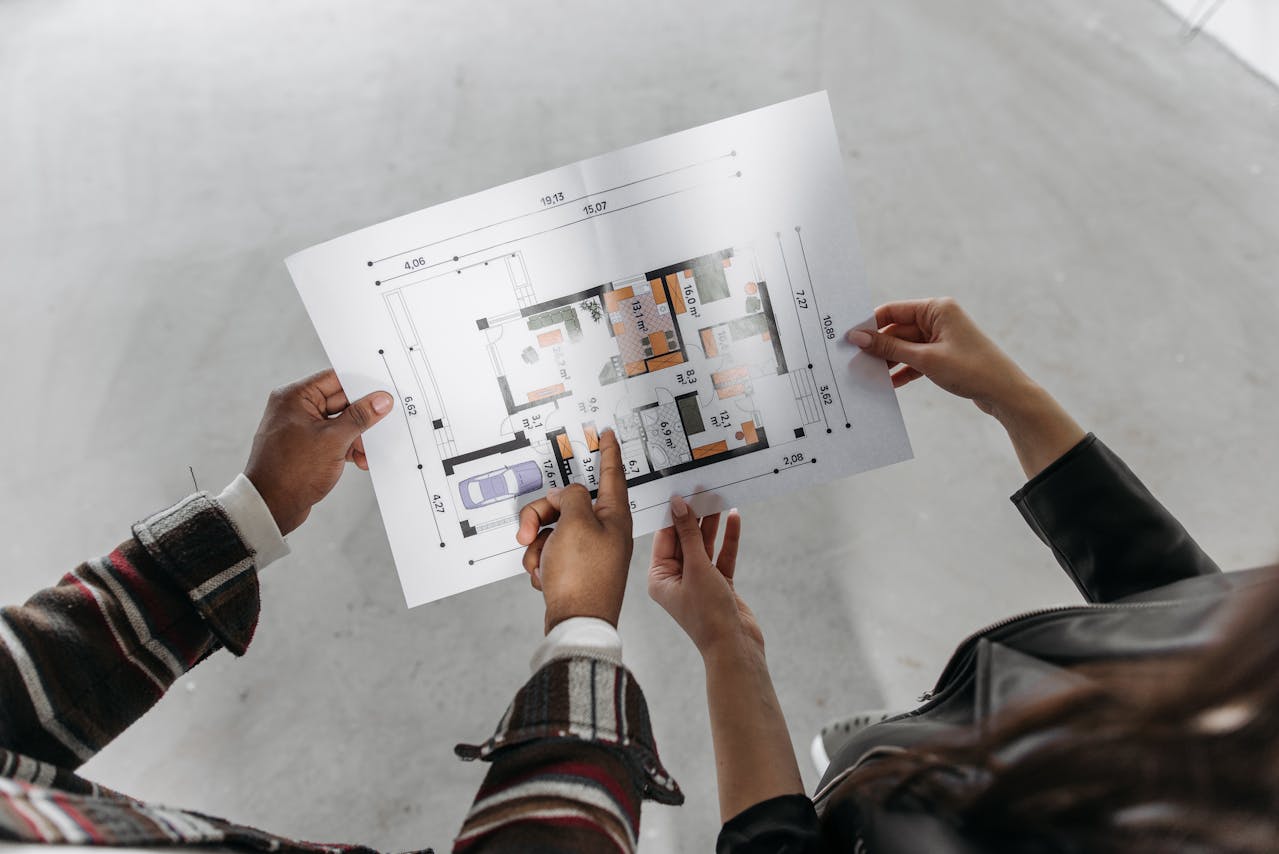
Few things test compatibility like picking tiles, wall colors, or kitchen layouts. While one partner may crave sleek modern minimalism, the other might lean toward rustic charm. The secret is compromise—blending both visions without losing sight of functionality. Visiting showrooms or browsing online galleries together can spark ideas and highlight shared tastes. Some couples even assign decision “zones” so each partner has the final say in specific areas. That way, instead of clashing over every detail, the process becomes a collaboration that reflects both personalities.
Communication and Conflict Management
Even the strongest relationships can face strain under the weight of construction deadlines and unexpected costs. That’s why communication is the cornerstone of success. Setting aside time each week to check in on progress, budgets, and feelings keeps both partners in sync. Humor can also go a long way—laughing about the inevitable hiccups makes challenges less daunting. Couples who manage disagreements constructively often come out of the process with not only a beautiful home but also a stronger relationship.
Building a house as a couple is equal parts rewarding and challenging. The process shines a light on financial habits, design preferences, and communication styles, often testing patience but also deepening bonds. With careful planning, clear responsibilities, and a willingness to compromise, couples can transform what might seem like a stress-filled project into an opportunity for growth.